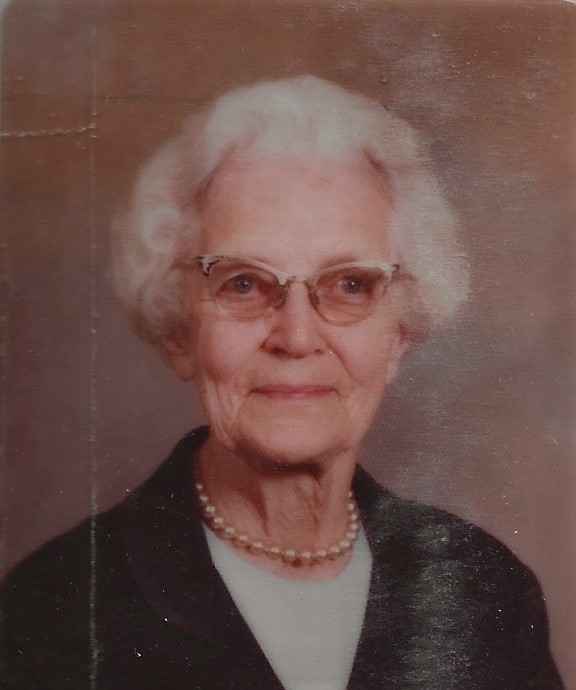
My parents left me tools as gifts.
When my Mother faced life’s pains, she worked it out by talking and crying if necessary.
I found people I could process with. I conversed with friends and family and in support groups sponsored by Hospice and Parents of Murdered Children and Other Survivors of Homicide (POMC.org).
This helped me work through the fear, the depression, the anger, the isolation and the overwhelming feelings that hit me as a victim of violent crime.
Every time I tell my story, I heal more. Some would ask me–why do you keep talking? To heal and help others. To talk is to heal.
The second tool I used was to move.
My Dad taught me this. As a teenager I would get so tired of him saying, “Did you get your exercise today?” but I am grateful for his encouragement and example.
He swam regularly. To move was important to my healing. It helped me feel alive. I experienced extreme stomach pain from the bullet that stuck my abdomen.
My arms and shoulders ached from the blast of the gun. Even though it hurt, it was important to keep going because I felt worthwhile at the end of the day.
The third tool I used was working with other victims of violence.
Mother and Daddy taught us to make a contribution to society and Warren Wilson College encouraged this as a student.
I got a lot from of working with others devastated by violence. I felt a commonality. They understood what was going on inside of me.
Volunteering with sexual assault victims, helping with our local homicide group and working with our domestic violence organization in Asheville, North Carolina gave me alot.
At one point in my healing I asked questions—What makes murderers? How can we prevent what happened to my family from happening to others?
The key is the children. We need to provide better care for our children. That’s why I decided to work with at risk kids to do my small part in preventing murderers from developing and raising havoc on our communities.
The fourth tool was writing.
As a child I watched Mamaw, my Mother’s mother keep a journal on extended summer visits to Ohio and I began to keep one–off and on for 50 years.
Now I’ve kept a journal consistently for 35 years. In the hospital after the shootings as soon as my wounded finger healed, I asked for my notebook. This was a big help.
It clarified what I was going through working out the fear, the anger, the depression, the isolation and the overwhelming feelings. After such trauma as I went through, it gave me perspective to write.
From my day to day writings, I created a manuscript. It is all about the recovery process I experienced to heal.
This leads me to my fifth tool-forgiveness.
Forgiveness is the hardest tool to use. It is a very personal tool. There is no how-to-book on forgiveness. We have to work this one out on our own and even when working it out, we need grace.
I want to explore with you my feelings toward the predators. After I was released as a hostage that chilly December night, one murderer died in a shoot out with police.
The other I went through a trial. In the beginning I raged at the murderers. They blew my family apart. We would never again set down as a family with our Mother and Dad for Thanksgiving.
There was anger in the beginning strong enough to kill and I am still angry but not as intensely. Doing a simple task such as moving a bed, the anger ripped through me.
Anger hits me when I see my nieces and nephews growing up never knowing their grandparents who loved kids. Anger strikes me when I long to share my life with my parents as an adult.
My brother Paul was out of the country as a missionary in Paraguay for four years and we were having a heart to heart one spring on his return. He asked, “If the murderers walked in the room, could you forgive them?”
I had to pause a minute to think because forgiveness is not easy but I said yes. I don’t think my four brothers and I felt revenge would get us anywhere after we lost Mother and Daddy.
We feel that living our lives the best way possible is the solution to coping with our parents’ murders. And we have done this. Forgiveness is essential to moving on with life, not revenge. Forgiveness helped me find my well being again.
It’s about the human spirit.
In my darkest moments when I didn’t want to live, I didn’t know if I would make it. I will never forget what happened to me. One night changed my life forever. But with lots of work and help and grace, I left the darkness.
I’ve been lucky to watch the strength of the human spirit and how I was able to bounce back.
There is a huge wave of violence in this country that is out of control with people being killed and maimed by guns. I believe as a society the human spirit can bounce back, too.
 Healing from Gun Shots